New Shingle Roof Installation with Plank Decking Repairs Done Right
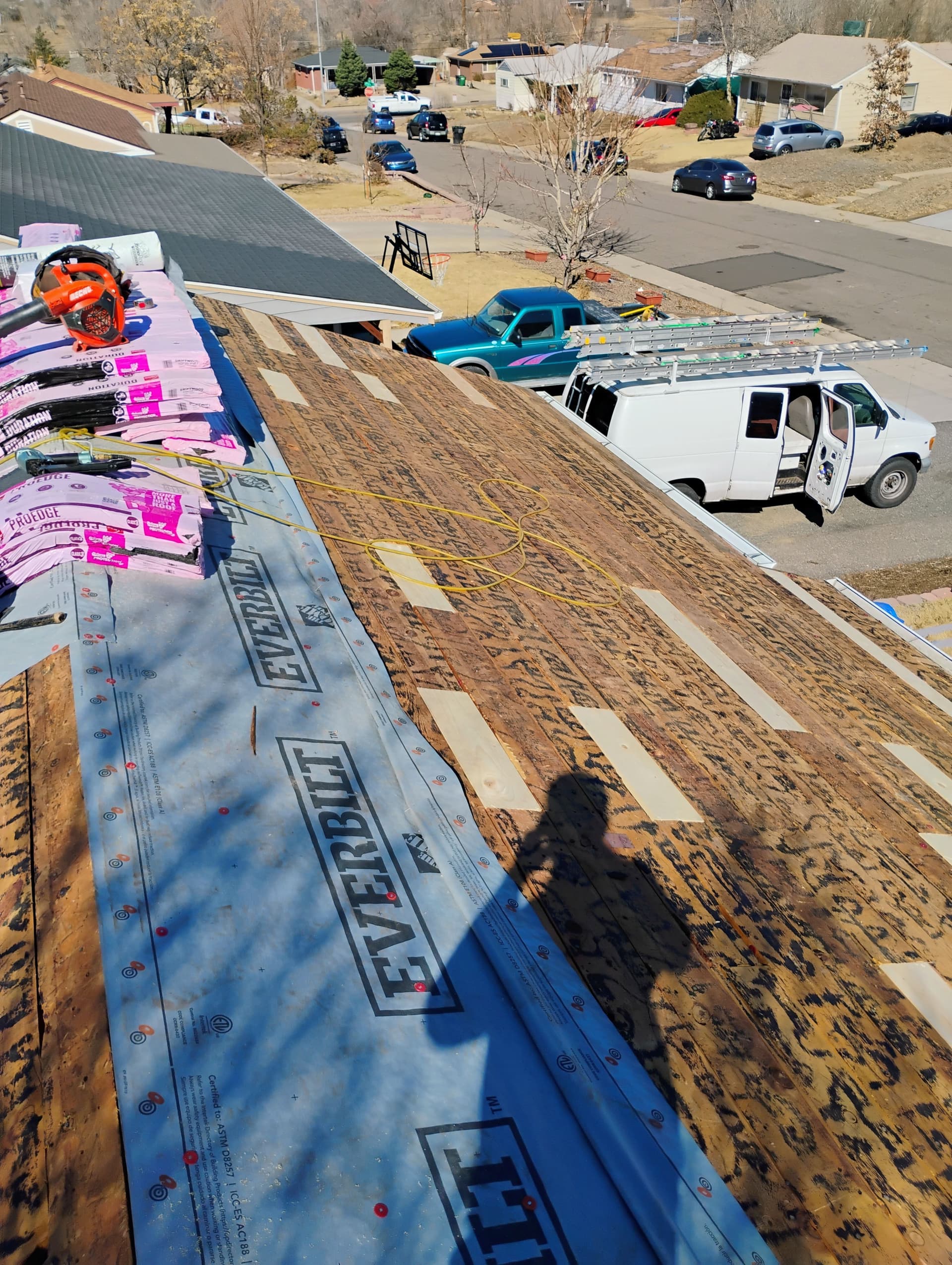
Most homeowners think about the shingles. What they don't think about is what's underneath them. The decking - the structural layer that everything else sits on - is just as important as the surface you can see from the street. If that foundation is soft, warped, or damaged, no shingle installation is going to hold up the way it should.
On this job, we weren't just putting on a new asphalt shingle roof. We were also addressing the plank decking underneath it. That meant taking the time to identify problem areas, repair what needed to be repaired, and make sure the surface was solid before anything else went on top of it. That's not always the fastest approach, but it's the right one.
Here's the thing about skipping deck repairs - you might not notice a problem for a year or two. But eventually, weak spots in the decking lead to premature shingle failure, potential moisture intrusion, and a much bigger repair bill down the road. We'd rather handle it all in one shot and know the work is built to last.
A new roof installation done correctly means every layer is accounted for. The underlayment goes down smooth and properly overlapped. The decking is sound. The shingles are installed to manufacturer specs. It's a system, and every part of that system has to work together. That's how you get a roof that actually performs over time.
If your roof is getting up there in age, or you've noticed signs of wear - curling shingles, water stains, soft spots - it's worth having someone take a look before it turns into something bigger. We do this work every day, and we know what to look for.